Mold Prevention in Florida Homes: Why Speed Matters After Water Damage
How Florida's climate makes mold growth inevitable after water damage, and the specific steps homeowners should take to prevent it.
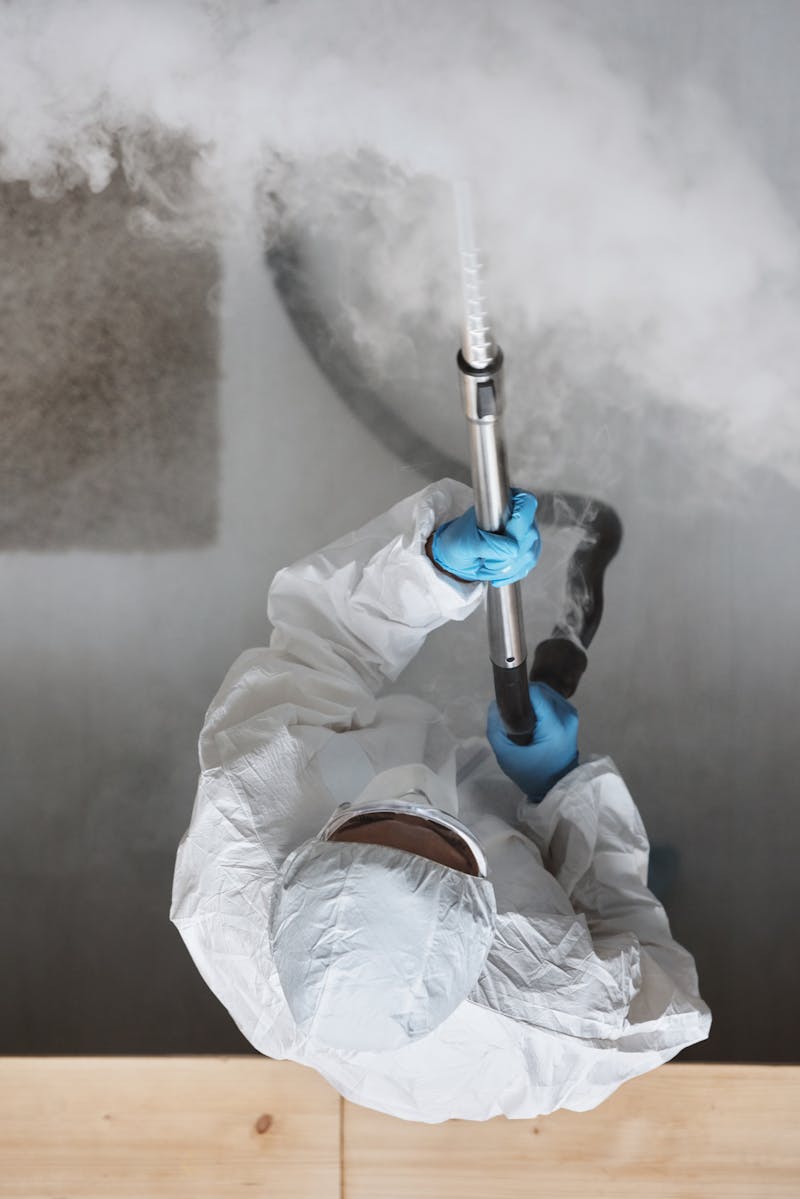
Florida’s climate is a mold factory. Average humidity of 74%, temperatures that rarely drop below 50°F, and 52+ inches of annual rainfall create conditions where mold doesn’t just grow — it thrives. In Brevard County and across the Space Coast, any water intrusion event that isn’t addressed within 24-48 hours is virtually guaranteed to result in mold growth.
Here’s what every Florida homeowner needs to understand about mold prevention after water damage.
Why Mold Grows So Fast in Florida
Mold needs four things to grow: moisture, warmth, oxygen, and organic material (food). Florida homes provide all four in abundance:
- Moisture: Any water intrusion event — burst pipe, roof leak, flooding, AC condensate overflow — introduces the moisture mold needs. Florida’s ambient humidity means even “dry” homes often have elevated moisture levels in walls and building materials.
- Warmth: Mold grows most aggressively between 60°F and 80°F. Brevard County’s average temperature stays in this range for 10 months of the year.
- Organic material: Drywall paper, wood framing, carpet, carpet padding, ceiling tiles, and even dust on hard surfaces all serve as food sources for mold.
- Oxygen: Always present.
In cooler, drier climates, homeowners might have 72 hours or more before mold becomes a concern after water damage. In Brevard County, that window shrinks to 24-48 hours — and in summer months with temperatures above 85°F, mold can begin colonizing surfaces in as little as 12 hours.
Common Mold Species in Brevard County Homes
Not all mold is the same. The species most frequently found in Florida water-damaged homes include:
- Aspergillus — The most common indoor mold in Florida. Found on water-damaged drywall, ceiling tiles, and HVAC systems. Can cause respiratory issues, especially in people with asthma or compromised immune systems.
- Penicillium — Frequently found on water-damaged carpet, wallpaper, and insulation. Spreads rapidly and produces a strong musty odor. Common trigger for allergic reactions.
- Cladosporium — Grows on both warm and cool surfaces. Often found on wood, textiles, and HVAC ductwork. Can cause respiratory and skin irritation.
- Stachybotrys chartarum (black mold) — Less common but more dangerous. Requires sustained moisture (not just a brief leak) and is typically found on chronically wet drywall, ceiling tiles, and wood. Produces mycotoxins that can cause serious health effects.
The Critical Timeline After Water Damage
Understanding the timeline helps you make decisions about when professional intervention is necessary:
0-24 hours: Water is absorbed into porous materials (drywall, carpet, wood). If extraction and drying begin in this window, mold growth is usually preventable without remediation.
24-48 hours: Mold spores — which are always present in the air — begin to colonize wet surfaces. At this stage, proper drying can still stop the colony from establishing, but the window is closing fast.
48-72 hours: Active mold growth is underway. You may not see it yet — mold often starts on the back side of drywall, under carpet padding, or inside wall cavities where moisture is trapped. By this point, drying alone may not be sufficient, and affected materials may need to be removed.
72 hours+: Mold colonies are established and producing spores that spread to new areas via your HVAC system and natural air circulation. Visible growth typically appears as discoloration on walls, ceilings, or baseboards. Professional remediation is almost certainly required at this stage.
What Professional Drying Actually Does
Household fans and opening windows are not sufficient to prevent mold after significant water damage in Florida. Here’s why professional equipment matters:
Industrial Dehumidifiers vs. Household Units
A typical household dehumidifier removes 30-50 pints of moisture per day. A commercial-grade dehumidifier used in restoration removes 200+ pints per day. After a significant water event, you need the industrial equipment to pull moisture out of building materials fast enough to beat the mold clock.
Air Movers vs. Box Fans
Restoration air movers are specifically designed to direct high-velocity air across wet surfaces, accelerating evaporation from drywall, flooring, and structural wood. A box fan moves air around the room but doesn’t create the concentrated airflow needed to dry building materials. In Brevard County’s humidity, a box fan may actually make things worse by circulating humid air across wet surfaces without meaningfully reducing moisture content.
Moisture Monitoring
Professional restoration includes daily moisture readings using specialized meters that measure moisture content inside walls, under flooring, and in structural materials — not just surface dampness. Drying is complete when moisture readings return to normal levels for the material type and environment, not when surfaces feel dry to the touch. A wall can feel dry on the surface while the interior remains wet enough to support mold growth.
DIY Mold Prevention: What You Can Do
For minor water incidents (small spills, minor leaks caught immediately), these steps can prevent mold:
- Remove standing water immediately. Use towels, mops, or a wet/dry shop vacuum. Do not use a regular household vacuum.
- Remove wet materials. Pull up wet carpet and padding. Remove wet boxes and paper products. Move furniture off wet floors.
- Increase ventilation. Open windows if outside humidity is lower than inside (check with a $15 hygrometer from any hardware store). Run your AC — it acts as a dehumidifier.
- Run dehumidifiers. Even household dehumidifiers help for small incidents. Empty the reservoir frequently.
- Clean and disinfect. After drying, clean hard surfaces with a solution of water and detergent. For areas where mold is a concern, an EPA-registered antimicrobial product is more effective than bleach (bleach is not recommended by the EPA for porous surfaces).
When to Call a Professional
Call a water damage restoration professional if any of these apply:
- Water has been standing for more than 24 hours
- The affected area is larger than a single room
- Water has contacted drywall, carpet padding, or insulation
- The water source is Category 2 (gray water — dishwasher, washing machine) or Category 3 (black water — sewage, floodwater)
- You see or smell mold
- You can’t identify or stop the water source
Florida Mold Law: What Homeowners Should Know
Florida has specific laws governing mold remediation:
- Mold remediation over 10 square feet must be performed by a licensed mold remediator under Florida Statute 468.8411. Homeowners may clean up smaller areas themselves, but we recommend professional assessment for any visible mold growth.
- Mold assessors and mold remediators must hold separate licenses in Florida. The company that tests for mold cannot be the same company that remediates it. This separation prevents conflicts of interest.
- Real estate transactions in Florida require sellers to disclose known mold conditions. Ignoring a mold problem can create significant legal liability when you sell your home.
Prevention Is Always Cheaper Than Remediation
The average mold remediation in Brevard County costs $1,500-$5,000 for moderate growth, and can exceed $30,000 for whole-home remediation. Compare that to the cost of professional water extraction and drying ($1,000-$3,000 for a typical single-room event), and the math is clear: fast response to water damage is the cheapest mold prevention available.
The key takeaway for Brevard County homeowners: time is the enemy. In Florida’s climate, every hour of delay between water intrusion and professional drying increases the likelihood of mold growth exponentially. Don’t wait to “see if it dries out on its own” — it won’t, at least not fast enough.
Need Professional Water Damage Restoration in Palm Bay?
Contact Palm Bay Water Restoration for a free estimate today.