Signs of Hidden Water Damage in Your Palm Bay Home: What to Look For
Learn to spot the subtle signs of hidden water damage in your Palm Bay home — from musty smells and warped baseboards to unexplained water bill spikes.
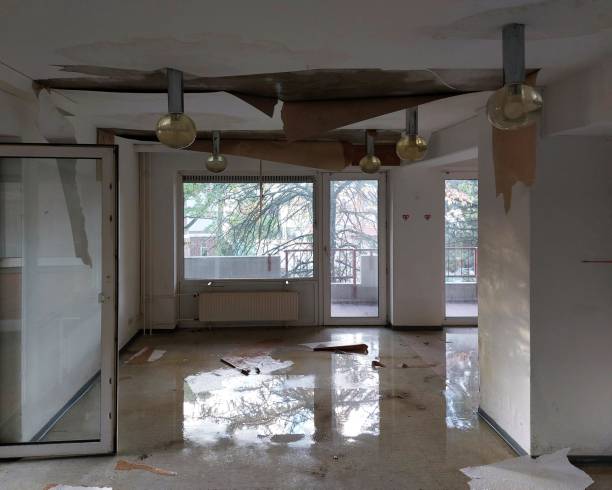
Water damage isn’t always obvious. A burst pipe flooding your kitchen is impossible to miss — but the slow leak behind your bathroom wall, the pinhole in your slab plumbing, or the condensation building inside your walls? Those can go undetected for months, quietly causing thousands of dollars in damage and creating ideal conditions for mold growth in Brevard County’s humid climate.
Here’s what to look for if you suspect hidden water damage in your Palm Bay home.
Musty or Earthy Smells You Can’t Explain
One of the earliest and most reliable indicators of hidden water damage is smell. Mold and mildew produce volatile organic compounds (MVOCs) that give off a distinctive musty, earthy odor — something like damp cardboard or old gym socks.
The challenge in Brevard County is that our high ambient humidity (averaging 74% year-round) can mask or normalize these smells. You might get used to a faint musty odor and attribute it to “Florida humidity,” when it actually indicates moisture trapped in your walls or under your flooring.
What to do: Pay attention to rooms where the smell is stronger or more concentrated than the rest of your home. Musty smells that intensify near specific walls, in closets, or near bathrooms and kitchens are red flags. If visitors comment on a smell you no longer notice, take it seriously.
Warped, Buckled, or Soft Baseboards
Baseboards sit at the junction of your wall and floor — exactly where hidden water collects. When water travels down inside a wall cavity (from a slow pipe leak, roof leak, or condensation), it pools at the bottom and is absorbed by baseboards before it ever reaches the visible surface.
Signs to watch for:
- Warping or bowing — baseboards that no longer sit flat against the wall
- Softness when pressed — the wood gives under finger pressure
- Peeling or bubbling paint specifically on baseboards, even when the wall above looks fine
- Discoloration — water stains or darkening at the base of the wall
In older Palm Bay homes — particularly the 1960s-1980s builds common in neighborhoods like Port Malabar and the original Palm Bay subdivisions — baseboards may already show wear from age. The key indicator is change: if baseboards that were previously fine suddenly start warping or softening, water is the likely culprit.
Discolored Walls and Ceilings
Water stains on walls and ceilings are among the most recognizable signs of water damage, but many homeowners dismiss small or light-colored stains as cosmetic issues.
What water stains actually tell you:
- Yellow or brown rings on ceilings typically indicate a leak above — either a roof leak, a second-floor plumbing issue, or AC condensate overflow. The ring pattern forms as water spreads outward and the edges dry first, concentrating minerals.
- Discoloration that appears and disappears suggests an intermittent leak — one that activates during rain, when a specific appliance runs, or when water pressure changes.
- Stains near windows may indicate failed window seals or flashing, allowing rain penetration during Florida’s frequent afternoon thunderstorms.
- Stains along exterior walls can signal envelope failures — cracks in stucco, deteriorated caulking, or gaps where the wall meets the roofline.
Never paint over water stains without identifying and fixing the source. The stain will return, and the hidden moisture will continue causing structural damage and feeding mold growth.
Peeling, Bubbling, or Flaking Paint
Paint adheres to dry surfaces. When moisture builds behind a painted wall, it breaks the bond between the paint and the substrate (drywall or plaster), causing:
- Bubbling — rounded blisters under the paint surface
- Peeling — paint lifting away from the wall in strips or flakes
- Flaking — paint cracking and falling off in small pieces
In Florida homes, this is often first noticeable in bathrooms — but if you see paint failure in rooms that don’t have high humidity (bedrooms, living rooms, closets), hidden water is likely responsible. An emergency water extraction team can use moisture meters to confirm whether water is present behind the affected surfaces.
Unexplained Increases in Your Water Bill
A sudden or gradual increase in your water bill without a change in usage habits is a strong indicator of a hidden plumbing leak. Even a small leak — a drip per second — wastes approximately 3,000 gallons per year.
How to check for a plumbing leak:
- Turn off all water fixtures and appliances in your home (faucets, washing machine, ice maker, irrigation system).
- Locate your water meter (typically near the street in Palm Bay neighborhoods).
- Note the meter reading or check if the low-flow indicator (a small triangle or dial) is moving.
- Wait 30 minutes without using any water.
- Check the meter again. If the reading has changed or the indicator moved, you have a leak somewhere in your system.
Palm Bay homes built during the 1960s through 1980s are particularly susceptible to hidden plumbing leaks. Many of these homes were built with galvanized steel pipes (which corrode from the inside out over decades) or polybutylene pipes (the gray plastic pipes that were the subject of a massive class-action lawsuit due to their tendency to crack and fail). If your home has either pipe type, proactive inspection is critical.
Soft Spots in Flooring
Walk through your home barefoot and pay attention to the floor. Hidden water damage often manifests as:
- Soft or spongy spots in wood or laminate flooring — the subfloor beneath has absorbed moisture and is deteriorating
- Tiles that have come loose or feel hollow when tapped — the adhesive or mortar has failed due to moisture
- Vinyl flooring that’s lifting or buckling at the edges or seams
- Carpet that feels damp in specific spots, particularly near bathrooms, kitchens, or exterior walls
Many Palm Bay homes are built on concrete slab foundations, which presents a unique challenge: plumbing runs through or under the slab. A slab leak — a pipe failure beneath your concrete foundation — can go undetected for a long time because the water disperses through the soil before eventually wicking up through the concrete. Signs include warm spots on the floor (if it’s a hot water line), the sound of running water when no fixtures are on, and cracks forming in the slab or in floor tiles.
Visible Mold Growth in Unexpected Places
While this article focuses on hidden damage, mold growth in unexpected locations often points to a hidden water source:
- Mold in closets — particularly closets on exterior walls or adjacent to bathrooms
- Mold under sinks — check the back wall and floor of the cabinet, not just the pipes
- Mold around window frames — indicates moisture infiltration from outside
- Mold at the base of walls — often visible just above the baseboard
In Brevard County’s climate, mold can establish itself within 24-48 hours of a water intrusion event. If you see mold growth but can’t identify an obvious water source, there’s likely a hidden leak feeding it.
Cracks in Walls or Foundation
Not all cracks indicate water damage — some settling is normal. But certain crack patterns suggest moisture-related structural issues:
- Horizontal cracks in concrete block walls can indicate hydrostatic pressure from water-saturated soil pushing against the foundation
- Stair-step cracks in block walls following the mortar joints suggest foundation movement, which can be caused by soil erosion from persistent water exposure
- Cracks around door and window frames may indicate framing that has swelled and contracted due to moisture cycling
Homes in the Bayfront and Palm Bay Estates neighborhoods that sit closer to the Indian River Lagoon or Turkey Creek have higher water tables, which increases the risk of moisture-related foundation issues.
What to Do If You Suspect Hidden Water Damage
If you’ve noticed one or more of these signs, don’t wait to investigate:
- Check your water meter using the method described above to rule in or out a plumbing leak.
- Inspect accessible areas — under sinks, around toilets, behind appliances, in the attic. Look for moisture, staining, or mold.
- Note the location and extent of any signs you’ve found. Document with photos.
- Call a professional for a moisture assessment. Professional-grade moisture meters and thermal imaging cameras can detect water inside walls, under floors, and in ceilings without destructive exploration. A water damage restoration company can pinpoint the source and extent of hidden damage quickly.
The longer hidden water damage goes unaddressed, the more expensive the repair. A slow leak that costs a few hundred dollars to fix today can cause thousands in mold remediation, structural repair, and flooring replacement if left for months. In Palm Bay’s climate, the margin for delay is razor-thin.
If you suspect hidden water damage in your home, contact us for a professional moisture assessment. We use thermal imaging and commercial-grade moisture meters to find hidden water without tearing into your walls — and we can help you determine the right course of action before the damage escalates.
Related Articles
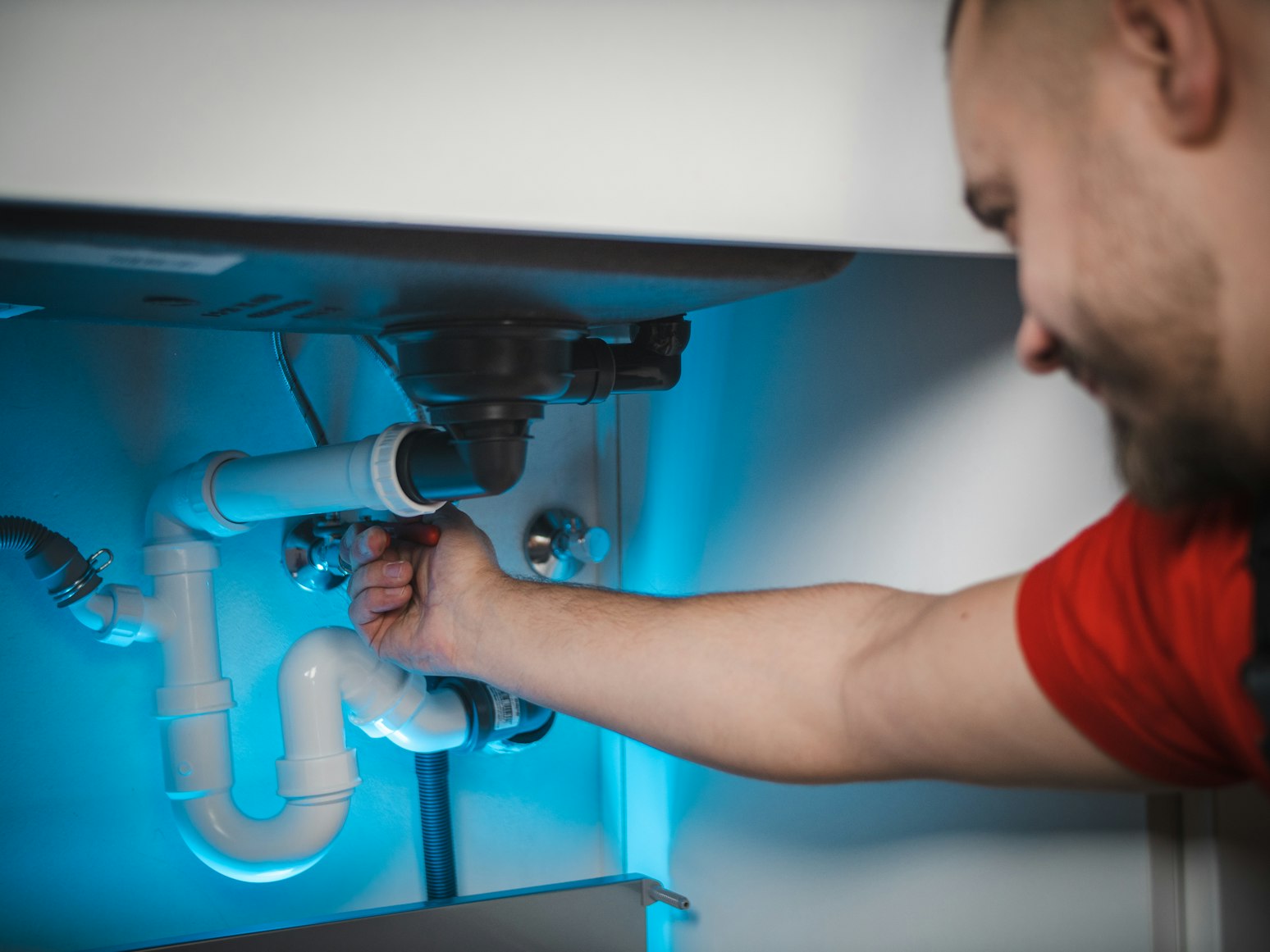
How to Protect Your Brevard County Home from Plumbing Failures and Water Damage
Practical plumbing maintenance tips to prevent water damage in Brevard County homes — from water heater care to smart leak detection systems.
Mold Prevention in Florida Homes: Why Speed Matters After Water Damage
How Florida's climate makes mold growth inevitable after water damage, and the specific steps homeowners should take to prevent it.

Filing a Water Damage Insurance Claim in Florida: What Homeowners Need to Know
Step-by-step guide to filing water damage insurance claims in Florida, including what's covered, common denial reasons, and how to protect your claim.
Need Professional Water Damage Restoration in Palm Bay?
Contact Palm Bay Water Restoration for a free estimate today.