How to Protect Your Brevard County Home from Plumbing Failures and Water Damage
Practical plumbing maintenance tips to prevent water damage in Brevard County homes — from water heater care to smart leak detection systems.
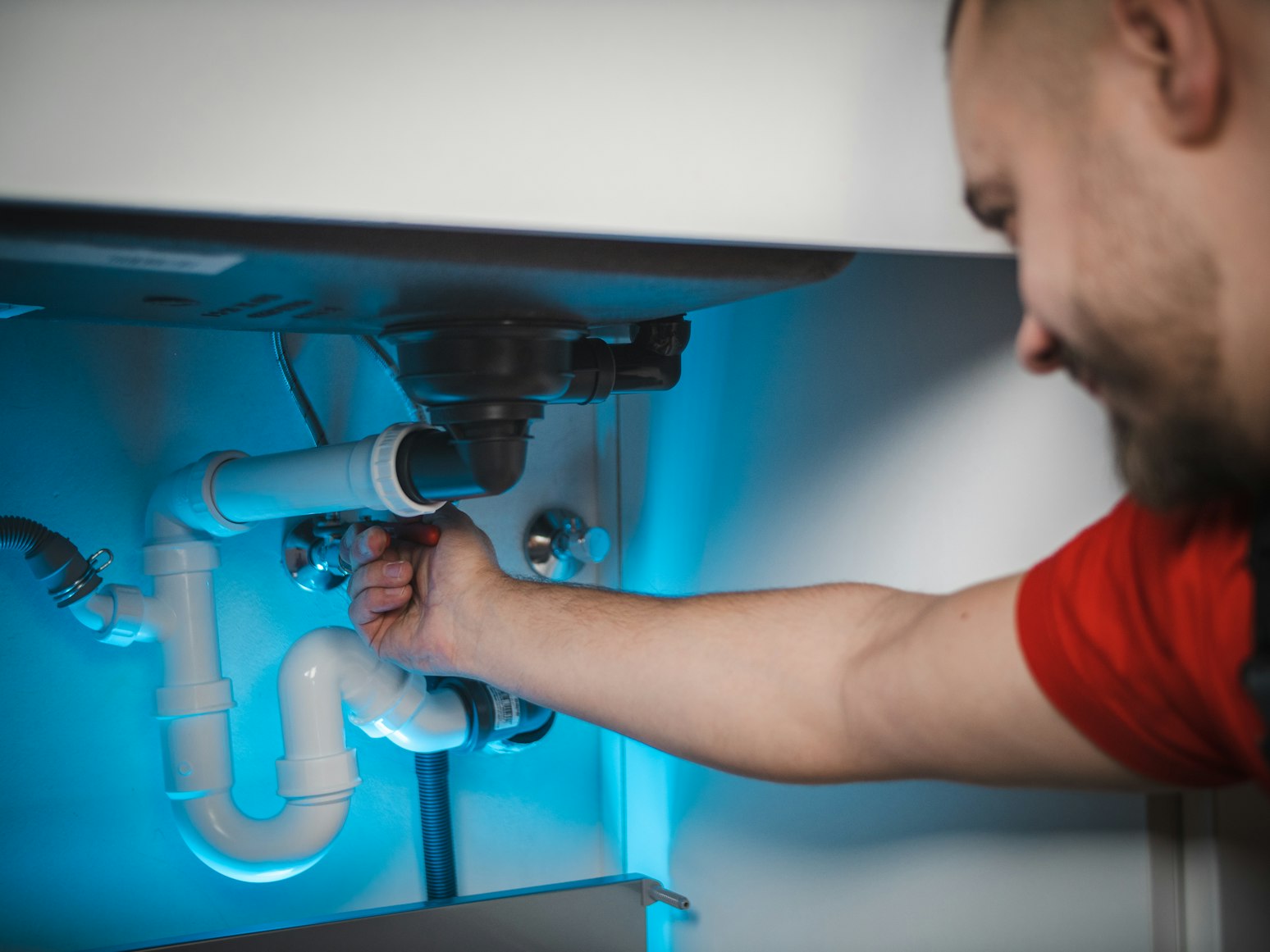
Plumbing failures are the single most common cause of residential water damage in the United States — more common than storms, floods, or appliance failures. In Brevard County, the combination of hard water, aging housing stock, and year-round warm temperatures creates conditions that accelerate pipe deterioration and increase the likelihood of catastrophic plumbing failures.
The good news: most plumbing-related water damage is preventable with routine maintenance that costs far less than the repairs after a failure. Here’s a practical guide to protecting your Brevard County home.
Know Your Pipes: What’s in Your Walls
Before you can prevent plumbing failures, you need to know what you’re working with. The pipe materials in your home depend largely on when it was built, and Brevard County’s building history creates some specific concerns.
Galvanized Steel (Pre-1970s)
Homes built before 1970 — including early developments in Palm Bay, Melbourne, and Eau Gallie — often have galvanized steel water supply pipes. These pipes corrode from the inside out over decades, gradually restricting water flow and eventually developing pinhole leaks or full failures. If your home has galvanized pipes, they’re past their expected lifespan.
Signs of galvanized pipe deterioration:
- Reduced water pressure, especially at fixtures farthest from the water main
- Rusty or discolored water when you first turn on the tap
- Visible corrosion on exposed pipes (under sinks, in the garage, at the water heater)
Polybutylene (1978-1995)
This is the big one for Brevard County. Polybutylene (PB) pipes — recognizable as gray, flexible plastic — were widely used during the Space Coast’s residential building boom of the late 1970s through the early 1990s. Thousands of homes in Palm Bay, West Melbourne, Melbourne, and Viera-area developments were plumbed with polybutylene.
Polybutylene pipes are prone to micro-fracturing caused by chlorine and other oxidants in municipal water supplies. The fractures are internal and invisible until the pipe fails — often catastrophically, splitting open and releasing hundreds of gallons of water before the homeowner discovers the problem.
A class-action settlement (Cox v. Shell Oil) was reached in the 1990s, but the settlement fund has long been exhausted. If your home has polybutylene pipes and they haven’t been replaced, you’re living with a known failure risk.
How to identify polybutylene: Look at exposed pipes under sinks, at the water heater, or where the main line enters the house. PB pipes are gray (sometimes blue or black), typically 1/2” to 1” in diameter, and have copper or plastic crimp rings at connections. If you find PB pipes, consult a licensed plumber about repiping options.
Copper (1960s-Present)
Copper is generally reliable with a 50+ year lifespan, but Brevard County’s hard water (high mineral content) can accelerate corrosion at joints and fittings. Copper pipes in homes built during the 1960s-1970s are now 50-60 years old and approaching the end of their expected service life.
CPVC and PEX (1990s-Present)
Modern homes typically use CPVC (cream-colored rigid plastic) or PEX (cross-linked polyethylene, flexible and color-coded). Both are generally reliable, though CPVC can become brittle with age and PEX connections can fail if not properly installed.
Water Heater Maintenance
Water heaters are the most common source of catastrophic plumbing failures in Florida homes. A 40-50 gallon tank that fails releases its entire contents at once, and the damage is usually extensive.
Tank Water Heaters
- Flush annually. Brevard County’s hard water causes sediment buildup at the bottom of the tank, which reduces efficiency and accelerates corrosion. Connect a garden hose to the drain valve at the bottom, run it outside, and flush until the water runs clear.
- Check the anode rod every 2-3 years. The anode rod (a sacrificial metal rod inside the tank) corrodes in place of the tank itself. Once the rod is depleted, the tank starts corroding. Replacing a $30 anode rod can extend your water heater’s life by years.
- Know your water heater’s age. Most tank water heaters last 8-12 years. The serial number on the label typically encodes the manufacture date. If your unit is over 10 years old, start planning for replacement rather than waiting for failure.
- Install a drain pan. If your water heater is in a closet, garage, or any location where a leak would cause interior damage, a drain pan with a piped drain provides critical secondary containment.
Tankless Water Heaters
Tankless units have longer lifespans (15-20 years) and don’t carry the same catastrophic failure risk, but they still need annual descaling in Brevard County due to hard water mineral buildup. A professional flush takes about an hour and costs $100-$200.
Washing Machine Hoses
Washing machine supply hose failure is the second most common cause of residential water damage claims. The standard rubber hoses that come with most washing machines deteriorate over 3-5 years — faster in Florida’s heat, especially if your laundry connections are in a garage or unconditioned space.
What to do:
- Replace rubber hoses with braided stainless steel hoses. They cost $20-$30 for a pair and last significantly longer than rubber.
- Replace every 5 years regardless of appearance. Internal deterioration isn’t visible from the outside.
- Turn off supply valves when the washing machine isn’t in use. This removes constant water pressure from the hoses. At minimum, turn off the valves when you leave home for more than a day.
- Check for bulging. If a hose shows any bulging, even minor, replace it immediately — failure is imminent.
Under-Sink Supply Lines
The braided supply lines connecting your faucets, toilets, and dishwasher to the shut-off valves are another common failure point. These lines are under constant pressure and deteriorate over time.
- Inspect every 6 months. Look for moisture, corrosion at the connection points, or any sign of swelling.
- Replace every 8-10 years as a preventive measure. A $10 supply line replacement prevents a $5,000 water damage restoration bill.
- Upgrade to braided stainless steel if your home still has the original vinyl or chrome supply lines.
- Know your shut-off valves. Every sink, toilet, and appliance has a shut-off valve. Test them periodically to make sure they actually close. A valve that’s been open for 20 years may seize and fail to shut off when you need it most.
AC Condensate Drain Maintenance
In Brevard County, your air conditioning system runs 8-10 months per year, generating a significant volume of condensate — the moisture pulled from indoor air during cooling. That water drains through a condensate line, and when that line clogs, the water goes into your home instead.
AC condensate overflow is one of the most common causes of water damage in Florida homes, and it’s almost entirely preventable:
- Pour a cup of distilled white vinegar down the condensate drain line quarterly. The drain line connects to a PVC pipe, usually near the indoor air handler. Vinegar kills algae and mold growth that cause clogs.
- Check the drain pan under the air handler during your vinegar treatment. If the pan has standing water, the drain is already partially clogged.
- Install a float switch on the condensate line if one isn’t already present. A float switch shuts off the AC unit when the drain backs up, preventing overflow. Most newer systems have them; many older systems don’t.
- Have your AC serviced annually. A standard AC tune-up includes checking the condensate drain system.
Water Pressure Regulation
Brevard County municipal water pressure can fluctuate, and pressure that’s too high accelerates wear on every component in your plumbing system — pipes, fittings, valves, supply lines, and appliances.
- Ideal residential water pressure is 40-60 PSI. You can check yours with a $10 pressure gauge from any hardware store — it screws onto any hose bib.
- If your pressure exceeds 80 PSI, you need a pressure reducing valve (PRV) on your main water line. High pressure is a leading cause of pinhole leaks, supply line failures, and water heater damage.
- If you already have a PRV, test it. PRVs typically last 7-12 years. A failing PRV may allow pressure to spike, especially at night when system demand is low and pressure naturally increases.
Smart Water Leak Detectors
Technology has made leak detection affordable and accessible. For $30-$200 per sensor, you can add early warning systems that detect leaks before they cause major damage:
Basic Moisture Sensors ($30-$50 each)
Battery-powered sensors that sit on the floor near water heaters, washing machines, under sinks, and near toilets. They alarm (audible and via smartphone app) when they detect moisture. Brands like Govee, YoLink, and Honeywell offer reliable options.
Smart Water Shut-Off Valves ($200-$500)
These devices install on your main water line and automatically shut off water to the entire home when a leak is detected. They integrate with moisture sensors throughout the home and can also detect abnormal flow patterns (like water running continuously for hours, suggesting a pipe failure). Brands like Flo by Moen, Phyn, and Flume offer whole-home systems.
For Brevard County homeowners — especially those with older plumbing, polybutylene pipes, or a history of water issues — a smart shut-off valve is one of the best investments you can make. A $400 device that prevents a single major water damage emergency pays for itself many times over.
The Preventive Maintenance Calendar
Here’s a practical schedule for Brevard County homeowners:
Monthly:
- Visual check of exposed pipes under sinks and near water heater
- Check washing machine hoses for bulging or moisture
Quarterly:
- Pour vinegar down AC condensate line
- Check AC drain pan for standing water
Annually:
- Flush water heater tank
- Test water pressure
- Inspect all supply line connections
- Service AC system (including condensate system)
Every 2-3 years:
- Check water heater anode rod
Every 5 years:
- Replace washing machine hoses
- Replace any rubber supply lines
Every 8-10 years:
- Replace under-sink supply lines
- Evaluate water heater for replacement
The Bottom Line
Most water damage from plumbing failures isn’t a surprise — it’s the predictable result of deferred maintenance on components with known lifespans. A $30 pair of washing machine hoses, a $15 water pressure gauge, and an hour of preventive maintenance every quarter can prevent the kind of catastrophic water damage that costs $10,000 or more to remediate.
If you’re a Brevard County homeowner with an older home — especially one with polybutylene or galvanized pipes — a professional plumbing inspection is the single most impactful step you can take. Know what’s in your walls, know its condition, and plan replacements before failures happen.
If you’ve already experienced a plumbing failure and need water damage restoration, contact us for emergency service. We respond 24/7 across Brevard County and can have extraction equipment on-site quickly to minimize damage and prevent mold growth.
Related Articles
Hurricane Season Water Damage Prep: A Brevard County Homeowner's Complete Guide
Practical steps Brevard County homeowners can take before, during, and after hurricane season to minimize water damage and speed up recovery.
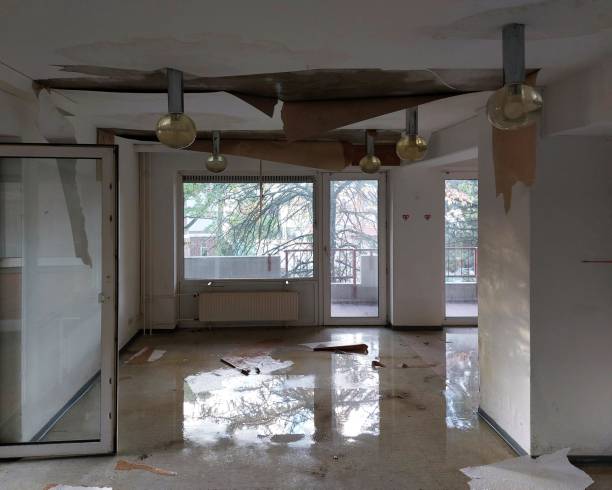
Signs of Hidden Water Damage in Your Palm Bay Home: What to Look For
Learn to spot the subtle signs of hidden water damage in your Palm Bay home — from musty smells and warped baseboards to unexplained water bill spikes.
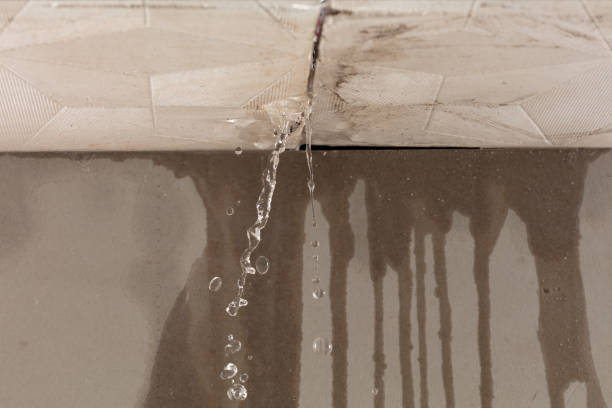
Sewage Backup in Your Home: Health Risks, Cleanup Steps, and When to Call a Professional
Understanding the health hazards of sewage backup, the three categories of water contamination, and why professional cleanup is critical for Category 3 water damage.
Need Professional Water Damage Restoration in Palm Bay?
Contact Palm Bay Water Restoration for a free estimate today.