Sewage Backup in Your Home: Health Risks, Cleanup Steps, and When to Call a Professional
Understanding the health hazards of sewage backup, the three categories of water contamination, and why professional cleanup is critical for Category 3 water damage.
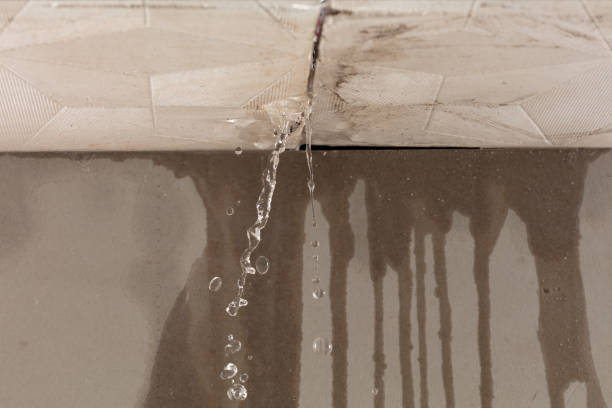
A sewage backup in your home is one of the most dangerous water damage scenarios a homeowner can face. Unlike a burst pipe or a roof leak, sewage introduces biological contaminants — bacteria, viruses, parasites, and other pathogens — that pose immediate health risks to everyone in the household. It’s also one of the most common water damage events in Brevard County, thanks to aging infrastructure, high water tables, and the heavy rainfall that can overwhelm sewer and septic systems.
Here’s what every homeowner needs to know about sewage backup: the health risks, how contamination is classified, and why professional cleanup isn’t optional for this type of water damage.
Understanding Water Contamination Categories
The Institute of Inspection, Cleaning and Restoration Certification (IICRC) classifies water damage into three categories based on the level of contamination. Understanding these categories is critical because the category determines the cleanup approach, the safety precautions required, and the cost of restoration.
Category 1: Clean Water
- Source: Broken supply lines, faucet leaks, rainwater, melting ice
- Contamination level: No significant health risk at time of contact
- Cleanup: Can often be handled with extraction, drying, and standard cleaning
- Important note: Category 1 water left untreated for more than 48 hours can degrade to Category 2 or 3 as bacteria multiply in standing water
Category 2: Gray Water
- Source: Washing machine discharge, dishwasher overflow, toilet overflow (urine only, no feces), sump pump failure, AC condensate overflow
- Contamination level: Contains microorganisms that can cause illness if ingested or contacted
- Cleanup: Requires disinfection of all contacted surfaces, removal of porous materials that absorbed the water (carpet padding, insulation), and personal protective equipment during cleanup
- Health risks: Gastrointestinal illness, skin irritation, respiratory issues from airborne contaminants
Category 3: Black Water
- Source: Sewage backups, toilet overflow with feces, rising floodwater, storm surge, water that has contacted soil for extended periods
- Contamination level: Grossly contaminated with pathogenic organisms
- Cleanup: Requires professional remediation — no exceptions. All porous materials that contacted the water must be removed and disposed of. Hard surfaces require thorough disinfection with EPA-registered antimicrobial products.
- Health risks: Severe — discussed in detail below
Sewage backup is always Category 3. There is no scenario where sewage entering your home is anything less than the most dangerous classification of water contamination.
Health Hazards of Sewage Exposure
Sewage contains a concentrated mix of biological and chemical contaminants that can cause serious illness:
Bacterial Infections
- E. coli — Can cause severe gastrointestinal illness, kidney failure, and in some cases death. Found in all sewage.
- Salmonella — Causes food-poisoning-like symptoms: diarrhea, fever, abdominal cramps. Can be severe in children, elderly, and immunocompromised individuals.
- Leptospira — Causes leptospirosis, a potentially fatal disease transmitted through contact with contaminated water. Enters the body through cuts, mucous membranes, or ingestion. Florida has higher rates of leptospirosis than most states due to warm climate and frequent flooding.
- Campylobacter — One of the most common causes of diarrheal illness in the United States. Present in sewage at high concentrations.
Viral Infections
- Hepatitis A — Transmitted through the fecal-oral route. Can cause liver inflammation, jaundice, and prolonged illness lasting weeks to months.
- Norovirus — Extremely contagious and resistant to many disinfectants. Causes violent vomiting and diarrhea. Survives on surfaces for days.
- Rotavirus — Particularly dangerous for young children. Can cause severe dehydration.
Parasites
- Giardia — Causes giardiasis: chronic diarrhea, gas, and dehydration. Resistant to chlorine at normal concentrations.
- Cryptosporidium — Causes cryptosporidiosis: watery diarrhea lasting up to three weeks. Highly resistant to disinfection.
Chemical Hazards
Sewage also contains household chemicals, pharmaceuticals, and potentially industrial chemicals that have entered the sewer system. These create additional risks including skin irritation, respiratory distress, and chemical burns.
Who Is Most at Risk
While sewage exposure is dangerous for everyone, certain groups face elevated risk:
- Children under 5 — more likely to touch contaminated surfaces and put hands in mouths
- Adults over 65 — may have weakened immune response
- Immunocompromised individuals — organ transplant recipients, chemotherapy patients, people with HIV/AIDS
- People with open wounds — sewage bacteria can enter through any break in the skin
- Pets — will walk through contaminated areas and then track bacteria throughout the house
Why DIY Sewage Cleanup Is Dangerous
For Category 1 water damage — a broken supply line, for example — homeowners can often handle cleanup with shop vacuums, fans, and dehumidifiers. Category 3 is a fundamentally different situation:
You cannot see the contamination. After the visible sewage is cleaned up, surfaces that appear clean can still harbor dangerous concentrations of bacteria and viruses. Standard household cleaners are insufficient to achieve the level of disinfection required.
Cross-contamination spreads easily. Walking through a sewage-affected area and then walking into an unaffected room spreads contamination. Using household tools (mops, rags, vacuum cleaners) in contaminated areas then makes those tools contaminated. Without proper containment protocols, the affected area grows.
Porous materials must be removed, not cleaned. Carpet, carpet padding, drywall (up to at least 12 inches above the water line), insulation, and particleboard that contacted sewage cannot be disinfected — they must be physically removed, bagged, and disposed of as contaminated waste. Many homeowners try to dry and save these materials, which creates an ongoing health hazard.
Airborne contamination is real. Sewage releases bioaerosols — microscopic droplets containing bacteria and viruses that become airborne during disturbance and cleanup. Without proper respiratory protection (minimum N95 respirator, often full-face protection), these can be inhaled.
What Professional Sewage Remediation Involves
A professional sewage cleanup follows a systematic protocol designed to eliminate health hazards and restore your home to safe, pre-loss condition:
1. Safety Assessment and Containment
Before any cleanup begins, the affected area is isolated to prevent cross-contamination. This includes:
- Shutting off HVAC to prevent airborne contaminants from spreading through ductwork
- Establishing containment barriers (plastic sheeting, negative air pressure)
- Identifying electrical hazards — sewage and standing water near electrical outlets or panels create electrocution risk
2. Extraction
Standing sewage is removed using truck-mounted or portable extraction equipment. This is not a shop vacuum — commercial extractors are designed to handle contaminated water and can be decontaminated after use.
3. Removal of Contaminated Materials
All porous materials that contacted sewage are removed and bagged for disposal:
- Carpet and carpet padding
- Drywall — cut at least 12 inches above the visible water line (sewage wicks upward through drywall)
- Baseboards
- Insulation
- Any contaminated personal belongings that cannot be effectively disinfected
4. Cleaning and Disinfection
Hard surfaces (concrete, tile, metal, sealed wood) are cleaned and treated with EPA-registered antimicrobial products. This is a multi-step process — not a single application of bleach. IICRC standards require documented kill rates for specific pathogens.
5. Drying
After cleaning and disinfection, the affected area must be thoroughly dried to prevent secondary damage including mold growth. In Brevard County’s humidity, this requires commercial dehumidifiers and air movers — not just time and open windows.
6. Clearance Testing
Reputable restoration companies perform post-remediation verification to confirm that contamination levels have been reduced to safe levels before occupants return.
Common Causes of Sewage Backup in Brevard County
Understanding why sewage backups happen can help you take preventive measures:
Municipal Sewer System Overload
Palm Bay and surrounding Brevard County communities have municipal sewer infrastructure that, in some neighborhoods, dates back to the 1960s and 1970s. During heavy rain events — which are routine during Florida’s May-through-October wet season — stormwater can infiltrate aging sewer lines through cracks and joint failures. When the system capacity is exceeded, sewage backs up through the lowest drainage points in connected homes, typically floor drains, toilets, and shower drains.
Septic System Failures
Many older Palm Bay neighborhoods — particularly in the western portions of the city and unincorporated areas of south Brevard County — rely on septic systems rather than municipal sewer. Septic systems fail for several reasons common in our area:
- High water table — Brevard County’s water table is often only 2-4 feet below the surface. During wet season, the water table rises further, reducing the drain field’s ability to absorb effluent. The system backs up.
- Saturated drain fields — Extended rainfall saturates the soil, leaving nowhere for septic effluent to go.
- Age and lack of maintenance — Septic tanks that haven’t been pumped in 3-5 years accumulate solids that reduce capacity and clog the drain field.
Tree Root Intrusion
Tree roots seek out sewer lines because they provide moisture and nutrients. Roots enter through joints, cracks, or connection points and gradually obstruct flow. This is a common issue in established Palm Bay neighborhoods with mature landscaping.
Backflow Valve Absence
Many homes in Brevard County lack backflow prevention valves on their sewer connections. A backflow valve allows sewage to flow out but prevents it from flowing back in during system overloads. If your home doesn’t have one, installing one is relatively inexpensive insurance against backup events.
Insurance Coverage for Sewage Backup
Standard homeowner’s insurance policies in Florida typically do not cover sewage backup damage. Coverage is available as an endorsement — usually called “sewer and drain backup” coverage — and costs approximately $40-$100 per year.
Given the frequency of sewage backup events in Brevard County, this endorsement is one of the most cost-effective additions you can make to your insurance policy. A single sewage backup event can easily cost $5,000-$20,000 in professional remediation and material replacement.
Check your policy now — not after a backup occurs. If you don’t have the endorsement, call your insurance agent and add it.
When to Act
If you experience a sewage backup in your home:
- Do not enter the affected area without rubber boots and gloves at minimum.
- Keep children and pets away entirely.
- Turn off your HVAC system to prevent airborne contamination from spreading.
- Do not attempt to clean up Category 3 water yourself.
- Call a professional restoration company immediately. Every hour of delay increases contamination, damage to building materials, and the risk of mold growth.
Sewage backup is a genuine health emergency, not a cleanup inconvenience. If your Palm Bay home experiences a sewage backup, contact us immediately for emergency Category 3 water remediation. We respond 24/7 and follow IICRC S500 protocols to ensure your home is safe for your family.
Related Articles
How to Protect Your Brevard County Home from Plumbing Failures and Water Damage
Practical plumbing maintenance tips to prevent water damage in Brevard County homes — from water heater care to smart leak detection systems.
Signs of Hidden Water Damage in Your Palm Bay Home: What to Look For
Learn to spot the subtle signs of hidden water damage in your Palm Bay home — from musty smells and warped baseboards to unexplained water bill spikes.
Hurricane Season Water Damage Prep: A Brevard County Homeowner's Complete Guide
Practical steps Brevard County homeowners can take before, during, and after hurricane season to minimize water damage and speed up recovery.
Need Professional Water Damage Restoration in Palm Bay?
Contact Palm Bay Water Restoration for a free estimate today.